The Ground-Floor Variable: Underwriting a Flat Above Trading Premises in 2026
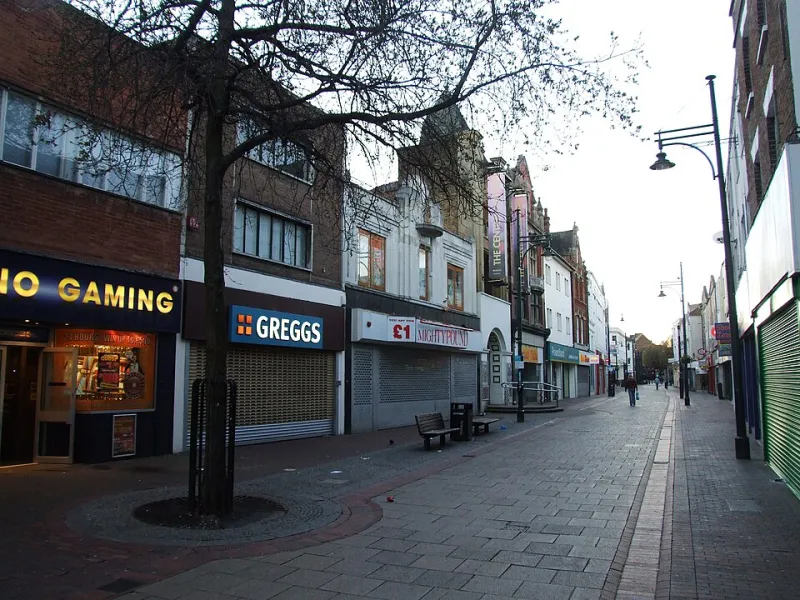
Photo: Chris Whippet , CC BY-SA 2.0, via Wikimedia Commons
Flats above commercial premises occupy an unusual place in the UK housing market. They can offer generous space, a central position and a noticeable discount to comparable residential stock. They can also place a buyer directly above a business whose hours, extraction systems, deliveries and licensing arrangements are outside that buyer's control. The flat is the home; the ground floor is the risk. For anyone considering such a purchase in 2026, the task is not to avoid the risk altogether but to identify it, quantify it and reflect it in the price.
Begin with the lawful use, not the current tenant
It is tempting to assess the unit below by what is trading there today. A quiet office may become a restaurant; a gift shop may seek a late licence; a café may expand its extraction system. The more reliable starting point is the lawful planning use. In England, many commercial uses now fall within Class E, which is broad, but that breadth does not mean every activity is automatically permitted. Hot food takeaways, betting shops, pubs and other sui generis uses sit outside it, and local conditions may restrict opening hours, deliveries or extraction.
Ask the seller and their solicitor for the planning history of the whole building, not just the flat. Check the council's online planning register and, where relevant, any enforcement notices. A lawful development certificate can be valuable evidence, but it is not a substitute for reading the conditions attached to a permission. If the unit's current use appears to have changed without consent, that is a matter to resolve before exchange, not after completion.
The timetable test: hours, deliveries and accumulated noise
A commercial unit is not only a neighbour; it is a working day with a timetable. Opening hours matter, but so do the hours either side of them. Deliveries at 6am, refuse collections in the evening, extractor fans running after closing and staff leaving late can all affect residential amenity. So can the quieter activities: a gym with early classes, a office with a busy call centre, or a shop receiving pallets through a rear door beneath a bedroom window.
Visit the flat at different times. A Saturday midday viewing will not reveal how the street sounds on a Tuesday at 11pm. Ask about the premises licence, including any late-night refreshment or alcohol permission, and read the operating schedule. Speak to the council's licensing team if the unit trades in food, drink or entertainment. None of this is about assuming the worst of a business; it is about understanding the pattern of use that will sit beneath the floorboards.
Air, grease and plant: the services you inherit
Food premises bring particular considerations. Extraction ductwork, flues, odour control and grease management can affect the fabric of the building as well as the comfort of the flat above. Plant on a roof or rear wall may create vibration or noise. Ducting may pass close to windows or through shared structures. Fire safety arrangements in a mixed-use building also deserve close attention, particularly where commercial cooking or storage increases risk.
Your surveyor should be asked to comment on the relationship between the commercial unit and the flat: shared walls, floors and ceilings, roof plant, drainage, ventilation and access for maintenance. The lease or freehold title may allocate responsibility for these services in ways that are not immediately obvious. A service charge that looks modest today can rise if extractor maintenance, fire risk assessments or roof repairs are concentrated on the commercial side.
Insurance and mortgageability
Mixed-use buildings can be insured, but the terms matter. A standard residential buildings policy may not be appropriate where commercial activity takes place below. The freeholder may hold a specialist policy, with the cost recovered through the service charge. Buyers should ask to see the current policy, the claims history and the basis of the insurance rent. If the flat is leasehold, check what the lease says about insurance and whether the landlord is obliged to insure against commercial risks.
Mortgage lenders take a practical view. A flat above a shop is often acceptable, but a lender will want to understand the use, the hours, the licence, access arrangements and the condition of the building. Some lenders are more cautious about restaurants, takeaways, pubs and units with late licences. Speak to a broker before making an offer, not after instructing a solicitor. The cost of delay is small compared with the cost of discovering that the property does not fit your chosen lender's criteria.
Licensing, complaints and the paper trail
A clean-looking unit can still have a history. Ask the seller whether there have been noise complaints, planning enforcement queries or licensing reviews. The council may hold details of premises licences, planning conditions and environmental health investigations. A local search can reveal some of this, but direct enquiries are often more revealing. If the unit is leased, ask for the current lease and any side letters that vary hours or use.
History is not destiny, but it is evidence. A unit with repeated complaints may be harder to insure, harder to mortgage and harder to sell. A unit with clear conditions and a cooperative tenant may be more straightforward. The point is to distinguish between a risk that is understood and one that is merely undisclosed.
Lease terms and shared obligations
The lease is where many mixed-use problems are either contained or created. Look for the permitted use of the commercial unit, restrictions on hours, nuisance and odour clauses, and the landlord's repairing obligations. Check how service charges are apportioned and whether the residential flat pays a disproportionate share for commercial services. If the flat shares a freehold or is part of a residents' management company, read the articles and any management agreement.
Access for repairs is another practical point. If the commercial tenant must be given notice before works can be carried out, how quickly can urgent repairs happen? If ductwork or plant sits within the flat's demise, who maintains it? These questions are less exciting than the asking price, but they shape the true cost of ownership.
Pricing the variable rather than accepting it
A discount is not automatically a bargain. Model the costs that are likely to recur: insurance, service charge, maintenance, and any specialist surveys. Consider the resale pool. A flat above a well-run office in a strong location may appeal to owner-occupiers and investors alike. A flat above a late-licensed venue may appeal to fewer buyers, and that should be reflected in what you pay. If the risk cannot be quantified, reduce your offer or walk away. In a mixed-use building, the ground floor is not background noise. It is a variable that belongs in the ledger.