The Stack, the Breast and the Flue: A Buyer's Field Guide to Chimney Risk in 2026
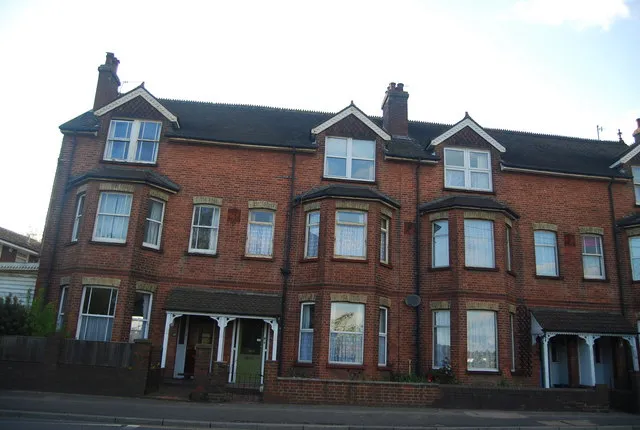
Photo: N Chadwick , CC BY-SA 2.0, via Wikimedia Commons
Most buyers arrive at a Victorian or Edwardian house with their attention fixed at eye level: the hallway proportions, the ceiling heights, the state of the kitchen. The chimney stack sits above all of it, largely unregarded, and yet it is one of the few parts of a period property that can generate a five-figure liability without announcing itself. In 2026, with survey lead times still stretching in many markets and remediation costs holding firm, the stack deserves a place in the pre-offer inspection rather than a footnote in the report.
Why the stack functions as a structural record
A chimney is not a decorative excrescence. It is a load-bearing element that has been modified, capped, lined, unlined, part-removed and occasionally propped over the course of a century and a half. Each of those interventions left a trace. Reading those traces is a matter of method rather than expertise: the buyer who knows what to look for can identify the questions worth paying a surveyor or a chimney specialist to answer, and can do so before a memorandum of sale fixes the parties' positions.
The relevant history runs through the 1965 Clean Air Act and the later drift away from open fires, which between them produced decades of informal alteration. Fireplaces were boarded, breasts were removed to gain floor area, and flues were left open to the roof void or sealed without ventilation. Much of that work was done competently; some of it was not, and the difference is rarely visible from the pavement.
Begin at the roofline, not the hearth
Stand back on the far side of the road and look at the stack in profile. A straight, plumb stack with sound pointing, an intact cap and a terminal that matches the flues below is a reasonable starting position. Leaning is not automatically fatal, but it warrants explanation. Missing or spalled brickwork at the crown, vegetation growing from the joints, and a stack that has been rendered on three faces and left bare on the fourth all suggest partial repairs undertaken to a budget.
Count the pots. A stack serving four fireplaces should generally show a corresponding number of terminals unless flues have been amalgamated or abandoned. A single pot on a substantial stack is a prompt to ask what happened to the others, and whether the disused flues were capped in a way that allows them to breathe.
Where a stack adjoins a neighbouring roof, the party wall position matters as much as the masonry. Repairs to a shared stack normally require notice under the Party Wall etc. Act 1996, and a buyer should establish early whether the obligation will fall on them alone.
The breast inside: reading the evidence room by room
Walk the house with the chimney in mind and the pattern becomes legible.
- Chimney breasts that remain in place. Check for hairline cracking at the junction of breast and ceiling, and for staining on the plaster. A breast that has been strapped and skimmed may be hiding movement above.
- Breasts that have been removed. A removal at ground-floor level usually leaves the upper breast supported on a steel beam or a corbel; ask for the Building Regulations completion certificate. Absence of documentation is not proof of poor work, but it shifts the burden of proof onto the seller.
- The stack above a removed breast. Where the breast is gone at first-floor level but the stack survives on the roof, the remaining masonry is carried on gallows brackets or steel. These are legitimate solutions when designed, and a recurring source of concern when they were not.
- Ventilation at the old fireplace. A sealed opening with no air brick or vent will trap moisture in the flue. Look for a vent in the breast or a terminal cap designed to ventilate rather than exclude.
- The roof void. If accessible, this is where the flue's true condition is often clearest: parging, flashings, lead work and the point at which the stack meets the roof covering.
Damp, condensation and the sealed fireplace
Much of what gets labelled rising damp on a chimney wall is nothing of the sort. A disused flue is a cold column open to the sky; without ventilation, warm internal air condenses against it and migrates outward through the plaster. The result is a tide mark that rises and falls with the season and resists chemical treatment because the cause is hygroscopic rather than rising groundwater.
Buyers should be sceptical of a diagnosis that arrives with a quotation attached on the same visit. The proportionate sequence is: establish whether the flue is open, capped or vented; confirm the stack's external condition; and only then commission a damp assessment from someone who does not sell the remedy.
What reasonably justifies a price adjustment
A chimney finding should be translated into a number with evidence behind it, not a negotiating posture. Relining a single flue for a wood-burning stove is a four-figure exercise; rebuilding a stack above the roofline is a five-figure one once scaffolding, access and party wall considerations are included. Removal of a stack altogether is a substantial project requiring structural design and Building Regulations approval.
The strongest position is a written report from a chimney engineer following a CCTV inspection of the flues, coupled with the surveyor's commentary on the stack's structure. With those in hand, a buyer can present a specific, costed case and explain the basis of the adjustment. Sellers respond better to a documented figure than to a general expression of concern, and the transaction is more likely to hold.
A short checklist for the viewing
Before you offer: photograph the stack from two angles; count the pots; check the pointing and the cap; walk every room on the chimney line and note vents, stains and filled openings; ask directly which fireplaces were removed and when; request Building Regulations certificates for any structural alteration; and confirm the party wall position where the stack is shared.
None of this replaces a Level 3 survey, and none of it should be treated as a substitute for specialist advice where the evidence points to movement or water ingress. It is, however, the difference between buying a period home with your eyes open and discovering, two winters later, that the most expensive part of the property was the one you never looked at.
Local expertise. Lasting value.