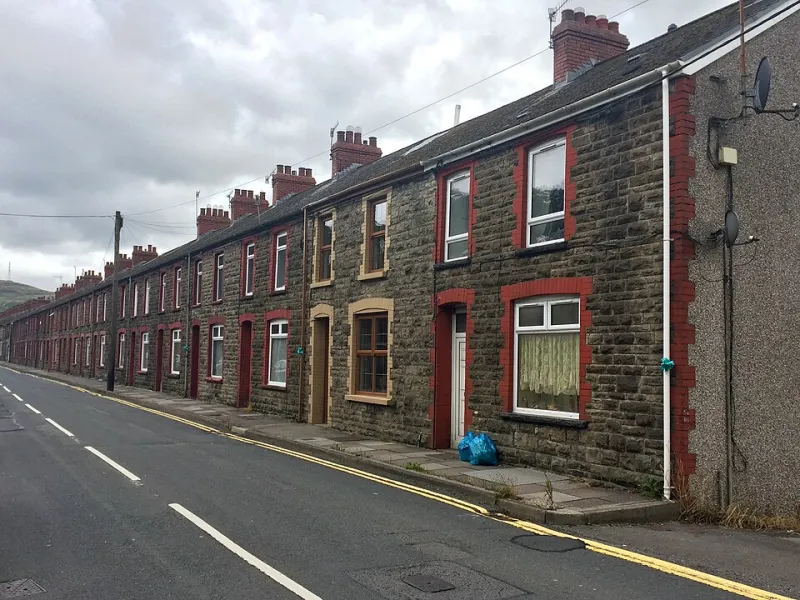
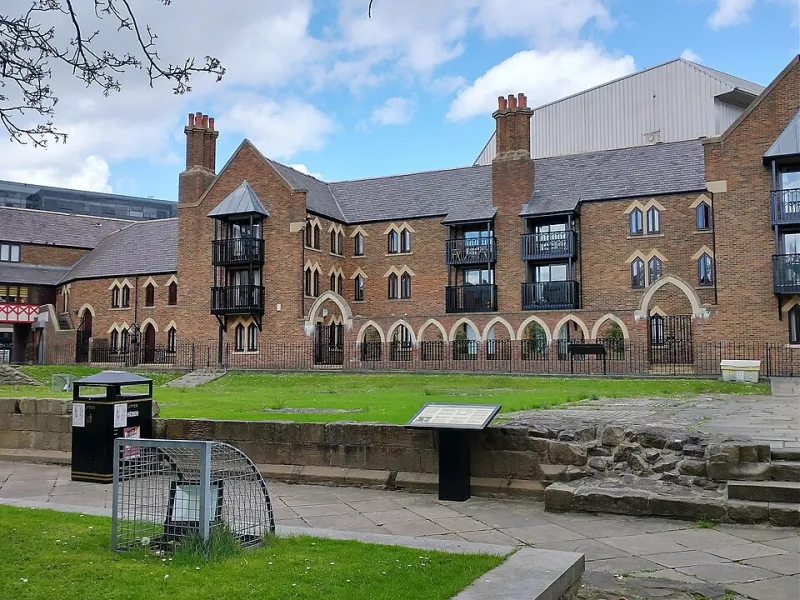
The Value of Nothing Much Happening: Reading a Street Before You Offer
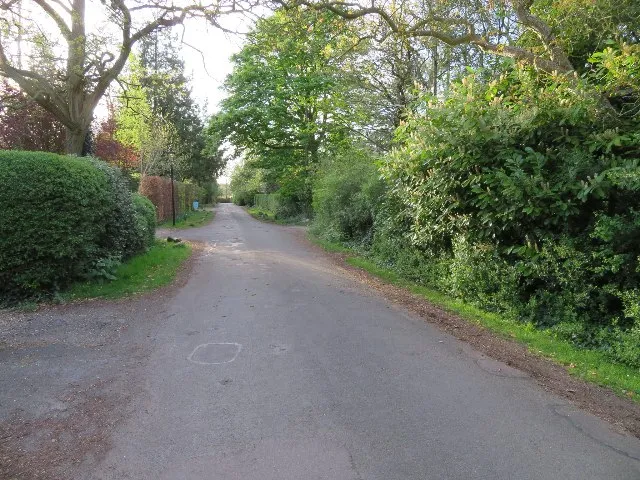
Photo: Mr Ignavy , CC BY-SA 2.0, via Wikimedia Commons
Most buyers begin with the floor plan, the EPC and the asking price. The street is treated as a backdrop: a postcode on the portal, a few photographs of kerbs and trees. That ordering is understandable, but it is also where some of the most expensive misjudgements begin. In the 2026 market, a settled street is not a decorative extra. It is part of the asset, and it is increasingly priced as such.
The street is part of the asset
A house can be improved. A street cannot. You can replace a kitchen, upgrade insulation or reconfigure a reception room. You cannot easily change the tenure mix next door, the frequency of short lets, the pressure for extensions and subdivisions, or the number of households that treat the pavement as a parking bay. Buyers who focus only on the building often discover, after completion, that they have bought a well-presented home on a road whose rhythms do not suit them.
The phrase 'nothing ever happens here' is usually offered as a mild complaint. In valuation terms, it can be a recommendation. Low churn, long ownership and an absence of visible disruption suggest a street where residents have chosen to stay. That stability has a price, even if it rarely appears as a separate line in an estate agent's particulars.
What low turnover really tells you
Turnover is not a single number, and it should not be read in isolation. A useful starting point is the proportion of dwellings on a street that have changed hands over the past five and ten years. Land Registry price-paid records, sold-price portals and local agent knowledge can build that picture. A street with very few sales may be settled, but it may also be hard to sell because of access, condition or a narrow buyer pool. The distinction matters.
Length of ownership is the better signal. A road where a meaningful share of households have been in place for fifteen or twenty years is usually one where the fundamentals work: neighbours, layout, parking, schools, shops and the general pattern of daily life. High turnover is not automatically bad; near stations and hospitals, movement is normal. But repeated sales of similar flats in a short period, especially where several are marketed at once, can indicate weak owner-occupier demand or a building that is difficult to finance.
Tenure, ownership length and the planning horizon
Tenure mix is the quiet variable. A street dominated by owner-occupiers tends to have different maintenance incentives from one with a large private rented sector, and a different atmosphere again from one with a concentration of short lets. None of these is inherently undesirable, but buyers should know what they are buying into. Ask what proportion of homes are owner-occupied, what proportion are rented, and whether the rented stock is family housing or transient accommodation.
Planning pressure is the other test. A quiet road beside a site with an active application for intensification is not the same as a quiet road with no obvious development horizon. Check the local planning portal for applications, appeals and pre-application consultations within a sensible radius. Also look at what has already been approved rather than only what is being built. A permitted scheme can sit dormant for years and then arrive all at once.
The premium and the trade-off
There is a trade-off, and buyers should name it. Settled streets are often less convenient: further from the station, quieter on amenities, less adaptable to a quick sale. That lack of convenience is partly what protects them. A road that is too convenient can attract high churn, more traffic and more pressure for conversion.
The premium for stability is therefore not a free lunch. It is a payment for predictability. A buyer who pays extra for a low-turnover road should expect to hold the property for a reasonable period and should not assume the same premium will apply in a weaker market. Illiquidity cuts both ways. The same street that attracts few sellers will attract few buyers when the time comes, and the buyer pool may be narrower than the seller expects.
A buyer's checklist
Before offering, assemble evidence rather than impressions. Review five and ten years of sold prices on the street and on neighbouring roads. Ask how many of the homes are owner-occupied, how long residents typically stay, and whether there are any concentrations of short lets or houses in multiple occupation. Check parking stress at different times of day, including weekday evenings. Look at planning applications, tree preservation orders and any local authority regeneration plans that could alter the street's character.
Walk the road after dark and at school-run time. Listen for the things that photographs cannot show: delivery traffic, late-night noise, the frequency of skip hire and contractor vans. A street with a high proportion of long-standing owner-occupiers will usually show more maintenance and less turnover, but it may also resist change. That is a feature, provided it is the feature you want.
What sellers should do with a settled street
Sellers on genuinely settled roads have a story to tell, but it needs evidence. A short schedule of nearby sales, average ownership length and the absence of contentious planning applications is more persuasive than the word 'desirable'. Price against the street's own comparables rather than against a broader postcode average. Overcapitalising a house on a low-turnover road can be as damaging as under-pricing it, because the buyer pool is selective and will compare the property with the street's established tone.
Local knowledge is the tie-breaker
Public data can tell you that a street is quiet. It cannot tell you why. A road may be settled because it is well planned, or because it is awkward to access and overlooked by nobody. Only local inspection and local experience separate the two. At Merchants Properties, the working view is that the street's temperament should be priced before the offer, not discovered after it. Buyers who do that tend to pay a premium they can justify. Those who do not often pay one they cannot.