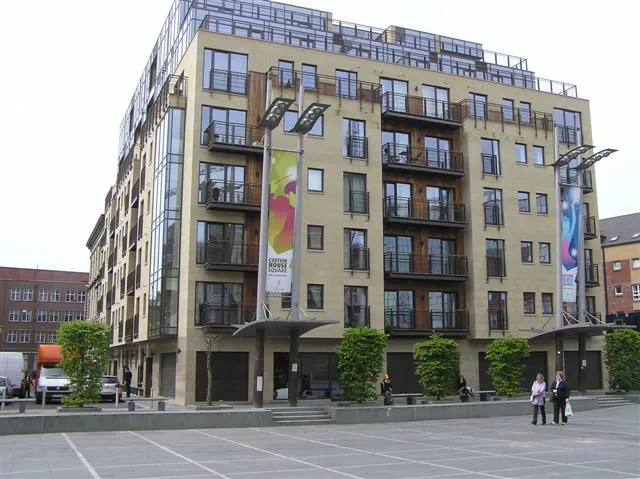
The 2036 Test: A Room-by-Room Audit for Buyers Who Want a Home That Still Works in Ten Years
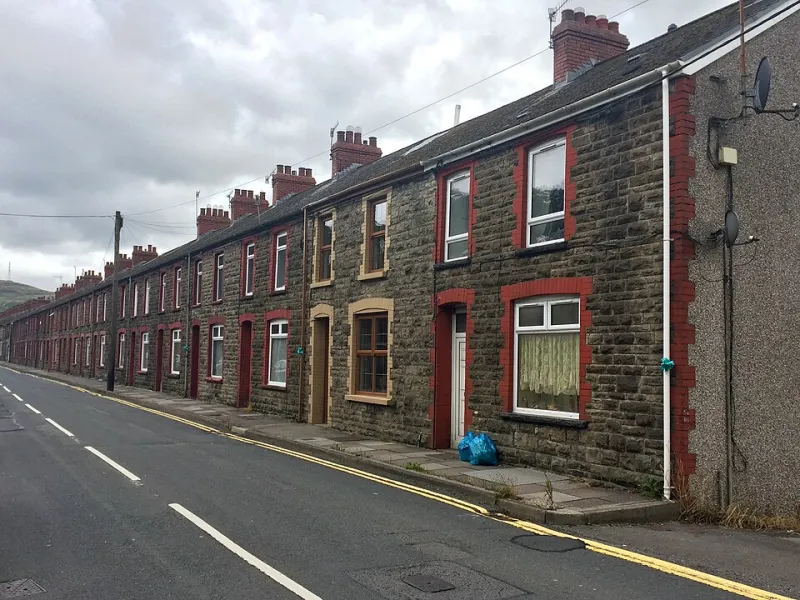
Photo: Alan Hughes , CC BY-SA 2.0, via Wikimedia Commons
Most buyers make their first judgement in seconds. The photographs are bright, the hallway is tidy, the kitchen has the right handles. None of that tells you whether the home will still work in 2036. Lasting value is not a slogan about period features or postcode prestige. It is the accumulation of practical decisions: adaptable layouts, energy performance, flood resilience, transport and local employment. For UK buyers in 2026, with energy costs, climate adaptation and working patterns still shifting, the second viewing should include a second clock.
Why the viewing needs a second clock
A property is a ten-year purchase for many households, even if the mortgage runs longer. The question is not whether the kitchen looks current today. It is whether the bones of the building and the fundamentals of the location can absorb change. That is an opinion, not a guarantee, but it is a more useful discipline than chasing the most polished listing on the portal.
Room by room: the bones beneath the finish
Hallway and circulation
Look at width, storage and step-free access. A narrow hall with no space for coats, buggies or a future stairlift may be fine at 30 and awkward at 60. Check broadband entry points and mobile signal; connectivity is now part of the building's utility.
Kitchen
Ignore the worktop for a moment. Ask about ventilation, drainage, electrical capacity and space for a heat pump or future appliances. A kitchen that cannot be adapted without moving services is a costlier proposition than one with a dated finish and good bones.
Living room
Light and overheating matter. South-facing glazing can be an asset and a liability. Check window condition, shading and whether the room can be used in a heatwave without relying on air conditioning. Flexible living space that can become a workspace or a downstairs bedroom adds resilience.
Bedrooms
Storage and ceiling height are practical, but so is the ability to work from home without sacrificing a bedroom. A box room with a desk is not the same as a room that can take a proper bed and a door that closes.
Bathrooms
Ventilation, drainage and the potential for a wet room matter more than tile choice. A bathroom that can be adapted for accessibility, with a sensible soil stack and extractor, will serve longer than a fashionable suite.
Loft, garage and outbuilding
Conversion potential is often overstated. Check head height, access, planning history and insulation. A garage may be more valuable as storage or a workspace than as a conversion project, depending on the street.
Location by location: the fundamentals that outlast fashion
Transport is not just today's commute. Look at rail frequency, bus reliability and active travel. A station with a speculative service is different from a line with established demand. Employment fundamentals matter too: a town dependent on one employer is more exposed than one with a mix of sectors and skills.
Flood resilience should be checked, not assumed. The Environment Agency maps, surface water risk and insurance quotes are part of the due diligence. Energy performance belongs here as well: an EPC is a starting point, but the real questions are fabric, glazing, heating and whether the home is ready for a heat pump or solar.
Local services and planning complete the picture. Schools, GP access, shops and green space affect day-to-day life. Planning applications can change the outlook, the traffic or the character of a street. Local expertise is not about knowing every rumour; it is about knowing which changes are consented and which are speculative.
The financial test: price the resilience, not just the decor
A cosmetic kitchen can be replaced. A failed drainage system cannot be styled away. Buyers should budget for the resilience works that matter: insulation, ventilation, glazing, drainage, roof repairs and flood adaptation where relevant. That budget should be weighed against the asking price, not ignored because the property presents well.
What local expertise adds
The Merchants Properties promise of local expertise and lasting value is not a claim that any home is future-proof. It is a discipline of looking past the photographs and asking how a street, a building and a floor plan will perform over time. That is the difference between buying a look and buying a home that still works in 2036.