Shopfront Signals: Five High-Street Revivals That Are Lifting Demand on the Roads Behind
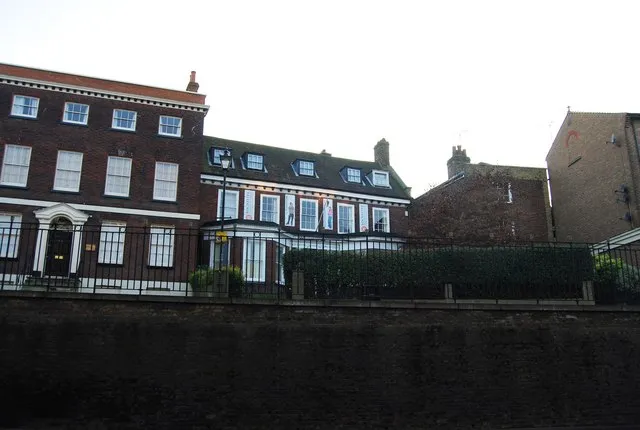
Photo: Nigel Chadwick, CC BY-SA 2.0, via Wikimedia Commons
High-street revival is often discussed as a matter of civic pride. For buyers and investors, it is also a question of residential demand. When a parade of shops becomes a genuinely useful place to spend time, the roads behind it can attract buyers and tenants who value walkable daily needs. The effect is rarely uniform, however, and in 2026 the difference between a recovering high street and a well-dressed one is worth understanding.
Why the parade effect reaches residential roads
Residential roads adjacent to a strong high street benefit from what might be called the parade effect: a cluster of amenities that reduces reliance on the car and makes everyday life more convenient. A good high street can support a bakery, a greengrocer, a pharmacy, a café and a bus stop within a short walk. For families, it can mean a less car-dependent routine. For professionals, it can mean a more sociable local economy. For investors, it can mean broader tenant appeal and lower void risk. The effect is strongest where the high street is embedded in a residential grid rather than isolated behind a car park.
Five high-street types to watch in 2026
1. The market-town spine
Market towns with a genuine mix of independent shops and a working weekly market are among the most durable. Look for a high street that serves local need as well as visitors: a butcher, a hardware shop, a library and a café. Adjacent roads can reprice when a tired parade gains a reliable food anchor and improved public realm. Leading indicators include lease lengths, the ratio of independents to takeaways and whether the market operates in poor weather as well as sunshine.
2. The suburban parade
Suburban parades are often overlooked because they lack the romance of a historic centre. Yet a well-anchored parade with a grocer, a pharmacy and a café can be a powerful amenity for nearby families. Revival often begins with a change of ownership or a small cluster of quality independents. Watch for improved shopfronts, longer opening hours and a reduction in empty units. The residential roads behind can benefit from a modest but persistent lift in demand, particularly where the parade sits on a walked route to a station or school.
3. The coastal independent quarter
Coastal high streets can be volatile. Seasonal footfall can flatter a parade in summer and leave it exposed in January. Genuine revival tends to show itself in year-round trading, a mix of local services and a resident population that uses the street outside the tourist season. Adjacent roads may attract second-home buyers and relocators, but investors should distinguish lifestyle demand from sustainable rental demand. A coastal street with a good school, a health centre and a winter economy is a different proposition from a seasonal promenade.
4. The city-fringe food street
City-fringe streets with a concentration of independent food and drink can lift the profile of neighbouring residential roads. The leading indicators are not simply busy evenings but a broader mix: a bakery, a greengrocer, a gym and a repair shop. Watch for licensing changes, late-night noise and the balance between visitors and residents. A food street can add value, but it can also create management issues for landlords and discomfort for families. The best examples retain a local, all-day economy rather than a purely evening one.
5. The historic town centre
Historic centres with a strong architectural character often attract attention, but character alone does not revive a high street. Look for a coherent plan for vacant units, investment in public realm and a sensible mix of residential conversion above shops. The adjacent roads can benefit when the centre becomes a place where people shop, work and live rather than a backdrop for visitors. Leading indicators include planning applications for upper-floor homes, the condition of pavements and the number of units occupied by local businesses rather than temporary lets.
Leading indicators of genuine revival
Several signals separate lasting revival from a cosmetic lift. First, vacancy: a falling number of empty units matters more than a single new café. Second, lease length: independents taking five-year terms are a stronger sign than pop-ups on monthly agreements. Third, tenant mix: a street that serves daily needs as well as leisure is more resilient. Fourth, footfall patterns: weekday and winter trade matter as much as Saturday crowds. Fifth, public realm: clean pavements, lighting and crossings are evidence of maintenance, not just marketing. Sixth, planning: applications for residential conversion, change of use and licensing show whether the street is being treated as a long-term place.
The cosmetic-footfall trap
Councils and landlords can generate attention with markets, murals, hanging baskets and weekend events. These can be useful, but they are not a substitute for a functioning local economy. Buyers and investors should be wary of paying a premium for atmosphere alone. A busy festival does not necessarily produce spend; a pretty shopfront does not guarantee a lease; and a high street that depends on visitors may not serve the residents who underpin adjacent road values. The question is whether the revival changes the ordinary week, not just the photograph.
How to underwrite the adjacent road
Before paying a premium, walk the high street at three different times and note the units that are open, the units that are empty and the units that are in temporary use. Check the planning register for applications that could alter the street, and speak to local businesses about trade. For residential roads, test the walk to the high street, the station and the school. A home may be close to a revived parade but separated by a busy road or a poorly lit cut-through. The value is in the route, not the postcode.
Conclusion
High-street revival can be a genuine driver of residential demand, but it is not a blanket effect. In 2026, the strongest opportunities will be on the roads behind high streets that serve everyday needs, trade through the week and show evidence of long-term investment. Merchants Properties advises buyers and investors to look beyond the shopfront and test the ordinary week. That is where the lasting value lies.