The Inner Frame: Auditing Secondary Glazing in Protected Property
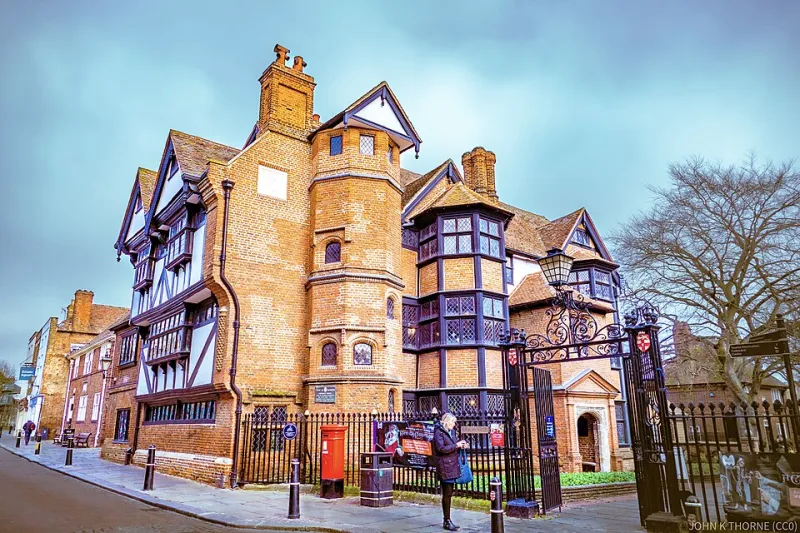
Photo: John K Thorne, Public domain, via Wikimedia Commons
Period windows are rarely just glass. They are part of a façade, a room's proportions and, in protected property, part of the legal interest that makes the building special. That is why secondary glazing attracts so much attention from buyers in 2026: it promises thermal and acoustic relief without ripping out original joinery. The promise is real, but it is conditional. The inner frame must be specified, consented and documented as carefully as the outer one.
Why the second window changes the calculation
Secondary glazing is an independent window fitted inside the existing reveal, usually leaving the original sash or casement untouched. It creates a still air gap and a second barrier against weather and sound. For a cold single-glazed sash window, that can be a meaningful improvement. For a listed home, it can also be the difference between a room that is used in winter and one that is not.
It is not replacement glazing by another name. Replacement changes the historic fabric; secondary glazing is often sold as reversible. Reversibility is not a magic word. A frame screwed into a delicate plaster reveal, sealed with mastic against stone, or built so tightly that the original window cannot be operated has still altered the building. The question is not simply whether the system can be removed, but what it does while it is there.
Consent is the first survey
In England, listed building consent is required for works of alteration that affect the character of a listed building as a building of special architectural or historic interest. That can include internal work. A secondary window fixed to the reveal may be treated as an alteration, even if it is removable, so the starting point is a conversation with the local conservation officer rather than a glazing brochure.
In a conservation area, the controls are different but no less relevant. External alterations may need planning permission, and an Article 4 direction can remove permitted development rights that a buyer might otherwise assume. In Scotland and Wales the consent regimes differ in detail, but the principle is consistent: protected status follows the building, not the purchase price. A flat within a listed building may also need freeholder or managing-agent consent, and the lease may impose its own restrictions on window works.
Buyers should ask for the paper trail before exchange: the application, the decision notice, any conditions, and the specification approved. A seller's assurance that 'the council was fine with it' is not evidence. Conservation officers move on, files are archived, and a future buyer's solicitor will ask the same question.
Thermal gain, without the sales gloss
Secondary glazing improves the thermal performance of a single-glazed window mainly by reducing draughts and adding a still air layer. It does not turn a period window into a modern double-glazed unit. The actual gain depends on the gap, the frame material, the sealing detail and how well the original window fits. A poorly fitted inner frame can create cold bridges and condensation, particularly on the original glass or in the reveal.
Ventilation matters as much as insulation. Sealing a room too tightly without background ventilation can move moisture problems elsewhere. In kitchens and bathrooms, or in rooms with open fires and period stoves, the interaction between the new inner frame and existing ventilation should be considered before the order is placed. A thermal camera survey after installation is more useful than a manufacturer's headline U-value.
Acoustic benefit is often the stronger case
For buyers near a railway, a busy road or a market square, the acoustic case can be more persuasive than the thermal one. A well-fitted secondary window with a suitable air gap can take the edge off traffic and rail noise, especially where the original window is draught-proofed at the same time. But acoustic performance is highly installation-dependent. Gaps, thin frames and poor seals will leak sound. Nor does secondary glazing remove the need to audit the source of noise itself; it manages the symptom, not the street.
Reversible should mean documented
A good secondary-glazing scheme should be independent of the historic fabric, operable for cleaning and ventilation, and removable without damaging the original reveal. Magnetic or clip-in systems suit some windows; fixed timber or aluminium frames suit others. The detail should be drawn, not improvised on site. Photographs before and after, the approved specification and a note of the fixings used are all part of the asset. They help a future surveyor, a future lender and a future buyer understand what has been done.
How surveyors and lenders tend to read it
A surveyor is likely to note secondary glazing as an alteration and may comment on ventilation, condensation risk or compliance with consent. Lenders rarely object to secondary glazing in principle, but they can ask for evidence that necessary consents were obtained. Unauthorised works in a listed building can become a title and enforcement issue, and that is where value is lost. Buildings insurance should also be checked: some policies ask about alterations, and a flat's policy may sit with the freeholder.
Where value actually sits
There is no reliable percentage uplift for secondary glazing. Value comes from usability, evidence and reversibility. A neat, consented installation that makes a cold listed room comfortable can widen the buyer pool. A bespoke system that obscures mouldings, blocks shutters or traps condensation can narrow it. The cost per decibel or per degree of comfort is a better underwriting measure than a generic 'period home premium'.
A pre-offer checklist
- Ask whether the property is listed, within a conservation area, or subject to an Article 4 direction.
- Request the listed building consent, planning permission and approved specification for any existing secondary glazing.
- Check whether the inner frames are independent of the original windows and can be removed without damaging reveals or joinery.
- Confirm that original shutters, reveals and mouldings still operate or remain visible.
- Look for condensation, draughts and ventilation provision, especially in bathrooms and kitchens.
- Ask the surveyor to comment on fixing method, consent evidence and condensation risk.
- Check the lease, freeholder consent and buildings insurance for flats in protected buildings.
- Obtain a written specification and photographs if you are commissioning new work.
Secondary glazing is neither a shortcut nor a compromise by default. In the right building, specified with consent and installed with restraint, it is a sensible layer of protection for historic fabric and modern comfort alike. In the wrong hands, it is an expensive way to complicate a sale. The difference is rarely the glass; it is the paperwork and the detail.